Listen to this article
"The DADU Boom: How To Turn Backyards Into Income"
The DADU Boom: How To Turn Backyards Into Income
Across the country, a quiet revolution is happening in residential real estate. As housing supply tightens nationwide, states and cities are rewriting the rules to allow homeowners to build more than just a fence in their backyard. They are allowing them to build wealth.
Nowhere is this shift more obvious than right here in Seattle.
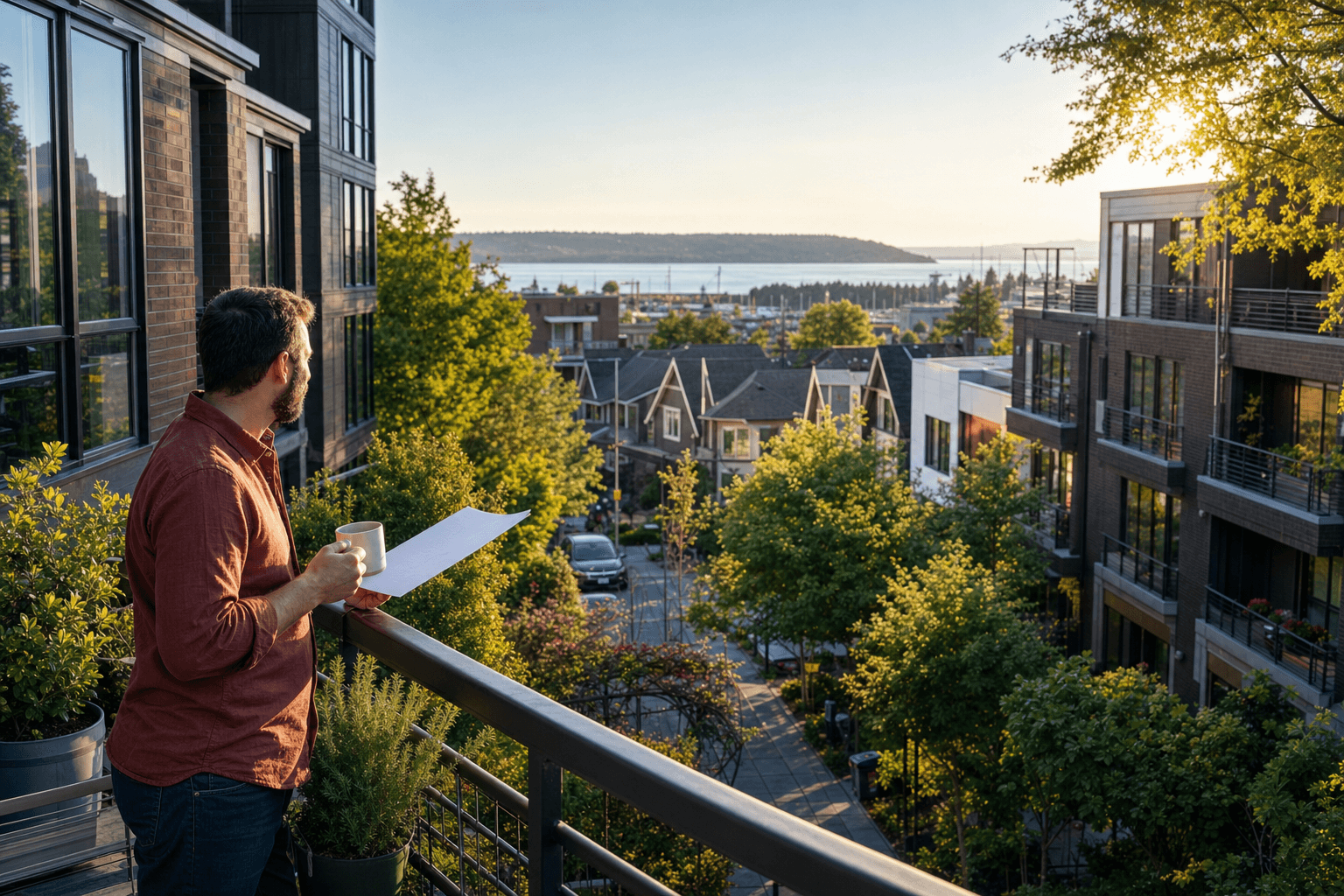
We are in the middle of a "DADU Boom" (Detached Accessory Dwelling Unit). The numbers prove it: Seattle issued 987 ADU permits in 2023, more than double the volume from just three years prior (482 in 2020).
But here is the twist most people miss: This isn’t just about building a rental unit. It’s about creating a sellable asset. A growing share of new ADUs in Seattle are being created as condominiums, meaning they can be sold separately from the main house.
Whether you want to build a rental machine, house a family member, or build a new property title to sell, here is the playbook on maximizing your lot’s potential.

Let's Talk About Your Goals
Have questions about this topic? Jon Dao is here to help you understand your options and guide you through the process.
First: What is a DADU (and why it’s different from an ADU)?
ADU = Accessory Dwelling Unit (a second living space on the same property).
DADU = Detached ADU — a standalone backyard cottage (Seattle commonly uses “DADU” and “backyard cottage” interchangeably).
Seattle also calls out a common misconception: tiny houses on wheels aren’t treated like legal backyard cottages in city limits (a foundation-built tiny home can be treated as a DADU; wheels change the rules).
Why the Hype? It’s Not Just About Rental Income
There are three common ways homeowners are turning DADUs into meaningful wealth.
1) Rental Income: Long-term and Short-term
This is the classic play: build the unit and let the rent offset your monthly housing cost or build a new stream of cash flow.
Long-Term: This offers stability and passive income with less turnover.
Short-Term (Airbnb/VRBO): If you are eyeing higher nightly rates there are more things to consider. Some cities, like Seattle, will require a business license tax certificate and a regulatory license to operate. Crucially, the city limits most operators to two units total (your primary residence plus one additional unit). So if short-term rental revenue is key to your financing plan, verify your eligibility for these licenses during your feasibility check, not after you build.
2) Multigenerational housing (that can later become income)
A DADU can house:
- Aging parents (close, but with privacy),
- Adult kids (or “boomerang” kids),
- A caregiver,
- Or you, while you rent the main home (the “reverse house hack”).
3) Build + Condoize + Sell
Local reporting citing Seattle’s progress data shows 44% of ADUs in 2022 were permitted as condos, with average ADU condo selling prices cited around $750,000 (versus higher averages for the main home/new detached).
This strategy is more complex (and highly technical), but it’s a major reason the “opportunity” language resonates.
The "Condoization" Strategy: How to Sell Your Backyard
This is the strategy that has agents and savvy investors buzzing. In Seattle and many surrounding municipalities, you can utilize a process often called Unit Lot Subdivision or "condoizing."
How it works: Instead of the DADU being legally "tied" to the main house forever, you treat the lot like a small condominium project. You create a legal framework (an HOA with 2 or 3 members) that allows you to separate the DADU into its own tax parcel.
The Benefit: You can build a DADU and sell it separately just like a standalone home.
- Potential Scenario: You own a home worth $800k. You build a high-end DADU for $400k. Instead of renting it, you "condoize" and sell that DADU for $750k or more. You have just unlocked massive equity to pay down your primary mortgage or reinvest.
The DADU Checklist: What to Research (And What to Avoid)
Before you fall in love with a design or start pricing builders, run a quick feasibility screen. This is where most DADU projects either get validated or get derailed.
1) Zoning and local ADU rules
- Confirm what’s allowed: ADU count, size/height, setbacks, parking, owner-occupancy
- Check if your city allows condo ownership or condoization of ADUs (if selling separately is a goal)
- Verify any neighborhood overlays or special restrictions that change the rules lot by lot
2) Lot and site constraints
- Site reality: slopes, drainage, soil issues, limited construction access
- Hidden blockers: easements and critical areas that shrink buildable space
- Tree protection zones that can make your best build spot unbuildable
3) Utilities and infrastructure
- Plan for utility separation early if condoization is even a possibility (retrofitting later can be brutal)
- Confirm sewer capacity and connection requirements up front to avoid budget blowups
- Price utility runs and upgrades early (water, sewer, electric) so your budget is real, not hopeful
4) Design decisions tied to your exit strategy
- Choose your end goal first: rent strategy vs condoize and sell
- Build accordingly: small studios rent, but larger “buyer-friendly” layouts tend to sell for more
- Avoid under-building if resale is the plan (size and layout matter a lot)
5) Fees, permitting timelines, and process
- Understand permit timeline and review steps so you can plan financing and carry costs
- Budget for city fees, utility review, and any capacity or impact charges
- Map inspection milestones early so you do not get stuck at the finish line
Financing: How to Fund the Build
Most people assume they need a huge cash pile to build a DADU. In reality, there are several solid paths, and the right one depends on your equity, timeline, credit profile, and whether you plan to hold, refinance, or sell after completion.
With the Homeseed Lending Team, we typically see a few primary options:
Renovation and Construction Loans (Conventional-style options)
If you want one structured loan designed for the project, this is usually the cleanest route.
- Construction-to-permanent loans: Built for ground-up construction. You typically start with a construction phase (often interest-only payments based on funds drawn), then roll into a long-term mortgage once the DADU is complete.
- Renovation loans (like HomeStyle-style financing): These can work when the scope fits the program guidelines and the lender is comfortable with the plan, contractor, and documentation.
Why people like these: Lenders can often lend based on the future appraised value of the property after the DADU is complete. That means you may not be limited by today’s equity alone.
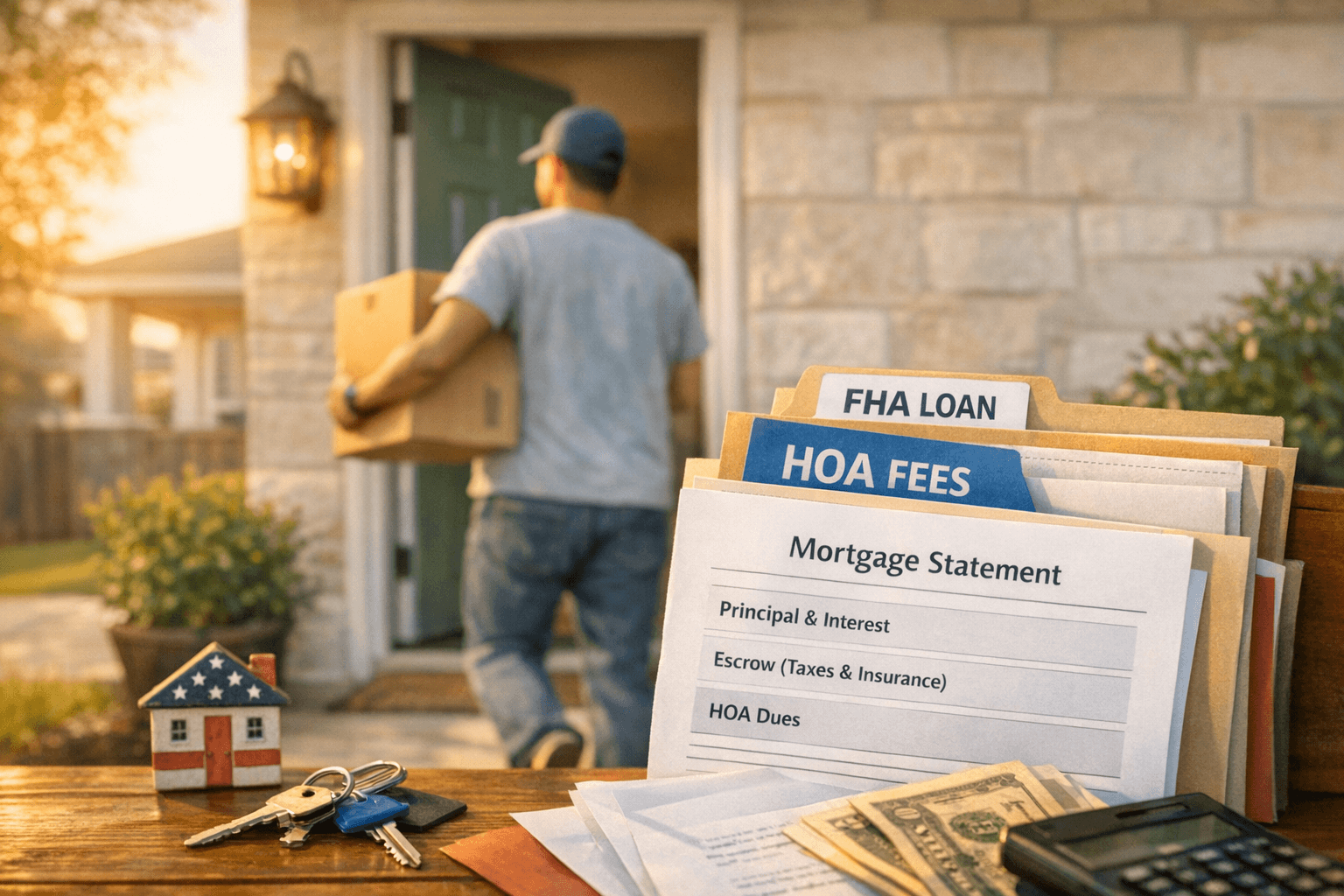
FHA 203(k) Rehab Loan
Best for: certain renovation/addition scenarios, especially if you’re already FHA-friendly.
HUD’s 203(k) comparison guidance states the program can be used for accessory dwelling units, but the ADU must be attached to the existing structure (important distinction versus a detached backyard cottage).
HELOCs (Home Equity Line of Credit)
If you have significant equity, a HELOC is often the simplest and most flexible money available.
- Faster setup than full construction financing in many cases
- Draw funds as you need them
- Great for homeowners who want to manage the build in phases or use a smaller builder crew
Best fit: Homeowners with strong equity who want speed and flexibility, and who do not need the loan to be based on the future value.
Hard Money (Speed-first financing)
Hard money is common for investors and for deals where speed matters more than rate.
Typical hard money structure:
- Short term loan, often around 12 months
- Interest-only payments during the term
- Higher rate + lender fees (points)
- More focused on the asset and the plan than traditional income documentation
- Faster approvals and closings than conventional routes in many cases
When hard money makes sense:
- You are buying a property that needs work and you want to move quickly
- You plan to refinance into conventional financing after the DADU is complete
- You have a clear exit strategy: sell, refi, or pay off with other funds
Big caution: Hard money is not meant to be permanent. The key is having a realistic plan and timeline for permits, construction, and the takeout refinance or sale.
Rental Income Qualifying (Using the future DADU rent)
In many cases, conventional guidelines may allow projected rental income from the DADU to help you qualify, even if the unit is not built yet, as long as the appraisal supports it and the file meets program requirements.
Translation: The DADU can sometimes help you qualify for the financing needed to build it, which is a big shift from how things worked years ago.
A Realistic DADU Process Map
While each city differs, the process usually looks like this:
- Confirm zoning + whether your lot meets baseline DADU criteria (Seattle’s DADU lot-size rule is a common first filter).
- Check for environmentally critical areas (can change permitting route).
- Decide: long-term rental vs STR vs family housing vs sell
- Rough budget + contingency
- Pick a plan route: custom vs pre-approved
- Decide utilities strategy
- Get a financing pre-plan (HELOC vs refi vs renovation loan vs construction)
- Verify insurance approach
- Run conservative rent/value assumptions (don’t underwrite on best-case STR)
The Bottom Line
The DADU boom is shifting the landscape of real estate in the Pacific Northwest and many other parts throughout the country where housing supply is limited. It is allowing homeowners to become micro-developers and investors to squeeze massive returns out of single-family lots.
If you are curious about what you can afford to build, or need to run the numbers on a renovation loan, reach out to us at Homeseed Lending Team. We can help you look at the financing options to turn that backyard patch of grass into a portfolio asset.
Disclaimer: This article is for general educational purposes only and is not legal, tax, zoning, or financial advice. ADU and DADU rules, permitting requirements, fees, and timelines vary by city, county, and property and may change over time. Financing availability, guidelines, and terms vary by lender and borrower qualifications. Always confirm feasibility, costs, and requirements with your local jurisdiction, licensed professionals, and your financing team before starting any project.
This blog post is intended for informational purposes only. It does not constitute financial advice, an offer to extend credit, or a commitment to lend. Mortgage rates, program guidelines, and qualification requirements can change at any time and may vary based on credit, income, assets, location, and property type. Always consult with a licensed mortgage broker to review your personal situation and available options.
Topics
Enjoyed this article?
Share it with your network